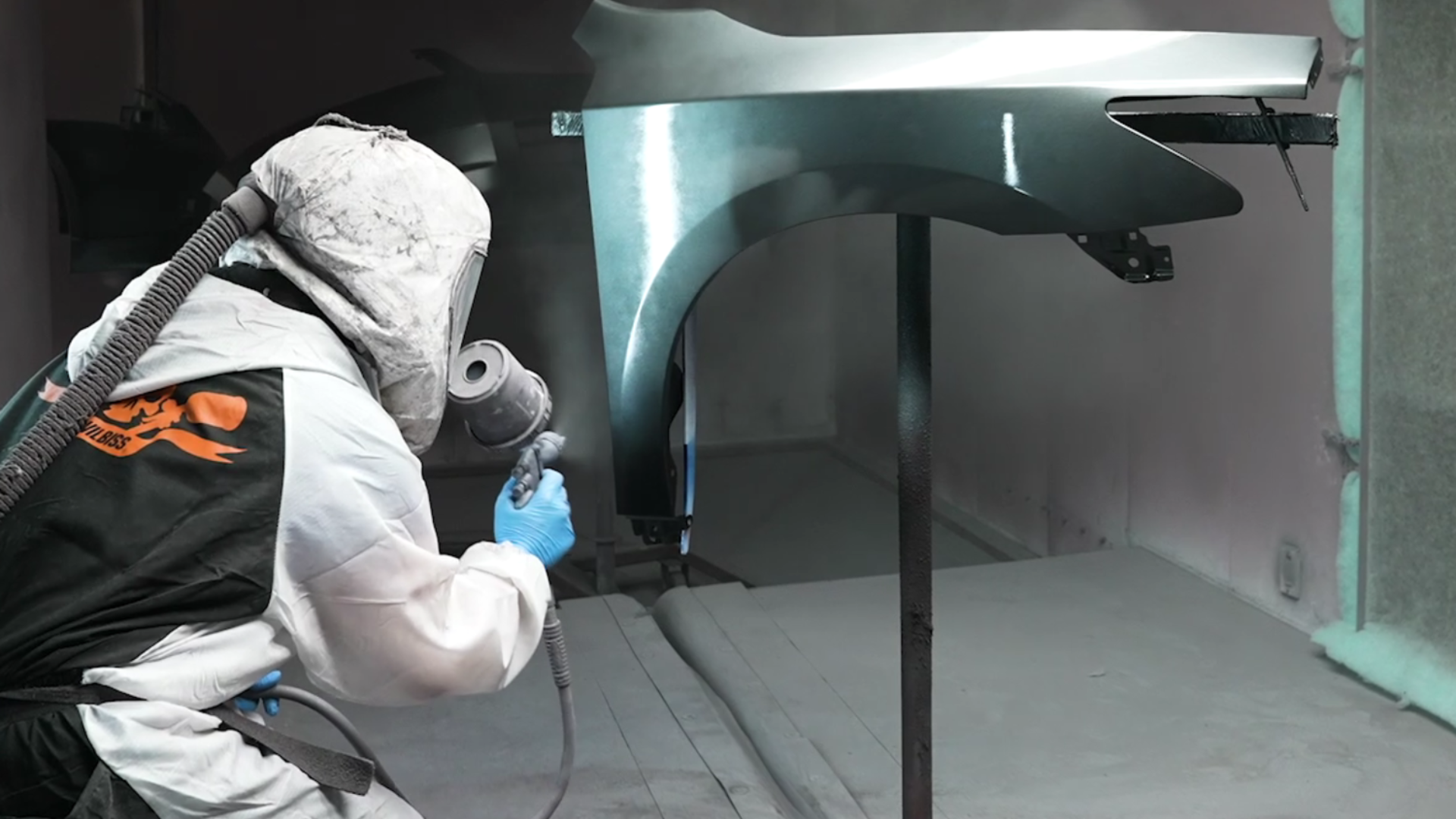

While OEM car parts are made by the original manufacturer, aftermarket parts are produced by independent companies. These companies use reverse engineering to create replicas of existing parts, which become available after the car is on the market. CAPA certification is a good indicator of quality in the aftermarket.
The aftermarket car parts market is crowded with options, but quality and prices vary wildly. Some parts come from the same factories as your car's original parts, just under a different name. Others are from less reliable sources. CAPA certification helps you find quality in this confusing market.
What Are CAPA Certified Car Parts?
To ensure consumers have access to high-quality, cost-effective alternatives to OEM car parts, the Certified Automotive Parts Association (CAPA) has established rigorous standards. CAPA-certified parts are thoroughly tested for material quality, proper fit, aesthetic appearance, and durability, guaranteeing performance equal to or better than their OEM counterparts.
Where Can I Get CAPA Certified Parts?
Your local auto body shop can get CAPA certified parts, but they’re not required to do so. If CAPA certification matters to you, ask the shop about it. Online stores may also carry CAPA certified parts.
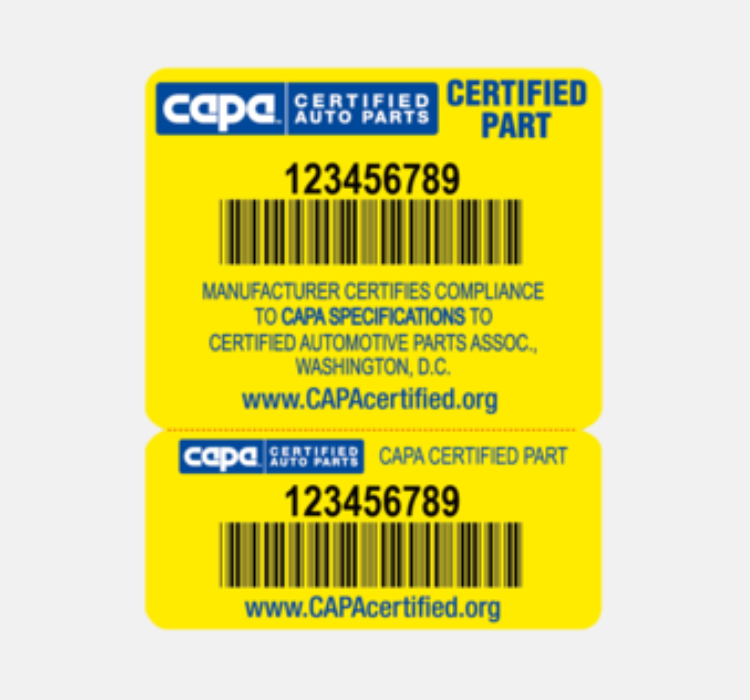
How can I tell if my part is CAPA certified?
Each CAPA-certified part has a tear-off tab on its seal. Body shops can use this tab to verify the part's authenticity.
What Are Non-CAPA Certified Car Parts?
Not all aftermarket car parts are CAPA certified. This doesn't always mean they're low quality. Some manufacturers choose not to participate in the CAPA program, while others may have had their parts rejected. These parts may undergo different quality checks and certifications.
Who Uses Non-CAPA Certified Parts?
It's important to be aware that many auto body shops use non-CAPA certified parts unless CAPA or OEM parts are specifically requested. This practice is often driven by cost considerations and the shop's preference for certain suppliers.
Check your state regulations and insurance policy to determine if CAPA certified parts are required for your vehicle repairs.
Are All Non-CAPA Certified Parts The Same?
It's tempting to think all non-CAPA certified parts are the same, but that's not true. You might find a high-quality part that's just as good, or even better, than a CAPA-certified one. However, you also run the risk of getting a dud. The problem is, it's hard to know which you're getting until it's too late, and you end up with installation problems like unsightly gaps.
Are CAPA Certified parts Worth The Extra Cost?
CAPA-certified car parts offer proven safety and quality, but they're more expensive. Non-CAPA parts are cheaper, but the trade-off is a potential compromise in safety and performance. The decision hinges on the specific part.
For cosmetic parts like fenders and bumper covers, saving money with non-CAPA parts might make sense. These parts are frequently damaged and replaced. But for critical structural parts like bumpers, radiator supports, and anything involved in crash protection, CAPA certification is essential. The added cost is a worthwhile investment in safety
No matter what kind of bumper you need - CAPA, Non-CAPA, or OEM - Bumpers That Deliver has you covered. We offer the best deals, top-quality parts, and perfect paint matches. Browse our online inventory, or call us at 616-334-6200 Monday to Friday from 9 am to 6 pm EST. for expert assistance.